EXCEPT THE LORD BUILD THE HOUSE

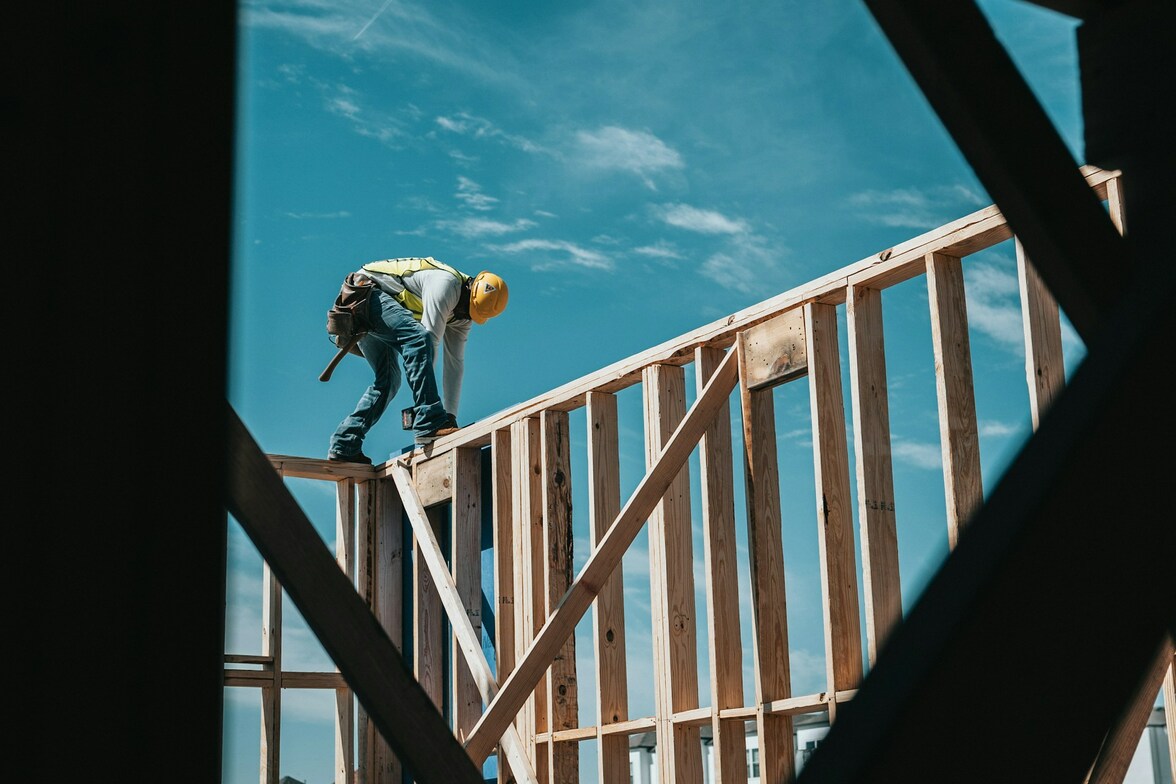
The Psalmist wrote, “Except the Lord build the house, they labor in vain that build it…” (Psalm 127:1). The work of human beings through the centuries, before and after Jesus, is to build or construct. Evidence of man’s work done in the centuries before Jesus came to the earth is still seen in our century. Pyramids, theaters, temples, statues, roads, and many other things built before Jesus was upon this earth, although sometimes faded and deteriorated, still stand. For example, the Great Pyramid of Giza, Egypt was built about 2560 BC, the Temple of Hephaestus in Athens was built in 449 BC, the Theater of Marcellus in Rome, Italy was built in 13 BC, and others in Great Britain, France, Malta, Peru, Spain, Russia, India, etc., have endured through the centuries.
The Psalmist David had seen the endeavors of his own people and the neighboring nations regarding the construction of building, nations, families, and spiritual lives. Although he provides a literal example of a material building, the lesson was meant to be spiritual. It is remembered that David desired to build the Lord’s Temple when he said, “Hear me, my brethren, and my people, as for me, I had in mine heart to build an hour of rest for the ark of the covenant of the Lord, and for the footstool of our God, and had made ready for the building” (1 Chronicles 28:2). David’s desire was to serve the Lord by constructing a physical building and his intentions were sincere and noble because he was called, “a man after God’s own heart” (1 Samuel 13:14). However, those were David’s own plans and were not the plans of God. David had called the Lord’s people together and told them of his plans but then he revealed what God’s plans were. “But God said unto me, you shall not build a house for my name…and he said unto me, Solomon your son, he shall build my house and my courts, for I have chosen him…” (1 Chronicles 28:3,6). David must have been greatly disappointed because he loved the Lord but “Except the Lord build the house, they labor in vain that build it…” (Psalm 127:1).
David accepted the will of God and Solomon did construct the Lord’s Temple, but that attitude was not seen among many of the other kings of Judah in the centuries that followed. Many of the kings tried to build the nation of Judah but not according to God’s will. David’s grandson, Rehoboam, was one of the kings that refused to allow the Lord to build the nation. “And it came to pass when Rehoboam had established the kingdom, and had strengthened himself, he forsook the law of the Lord, and all Israel with him…and he did evil because he prepared not his heart to seek the Lord” (2 Chronicles 12:1,14). Little by little through the centuries the people of God drifted away from his will to the point that when Jesus was born into this world and walked the roads of Galilee and the streets of Jerusalem that he could not recognize them as God’s people. They had built a culture upon the traditions of men and imitating the world rather than allowing the Lord to build them.
Christians individually and the Lord’s church congregationally must allow the Lord to do the constructing. Historically in the Old Testament and even into the New Testament the people of God looked outwardly at their neighbors and worldly culture to determine how they would build. Paul wrote to the Galatians, “I marvel that you are so soon removed from him that called you…” (Galatians 1:6). In other words, the Holy Spirit was saying, you have built your spiritual lives and have not allowed the Lord to. The church was built by the Lord (Matthew 16:18) and was “built upon the foundation of the apostles and prophets” (Ephesians 2:20). That means that the Lord was doing the building and not the traditions of men nor the culture at large. David had his plans but submitted to God’s will. Congregations may have their own plans but “Except the Lord build the house, they labor in vain that build it…”